Planning and building
FENSA certificate for a conservatory
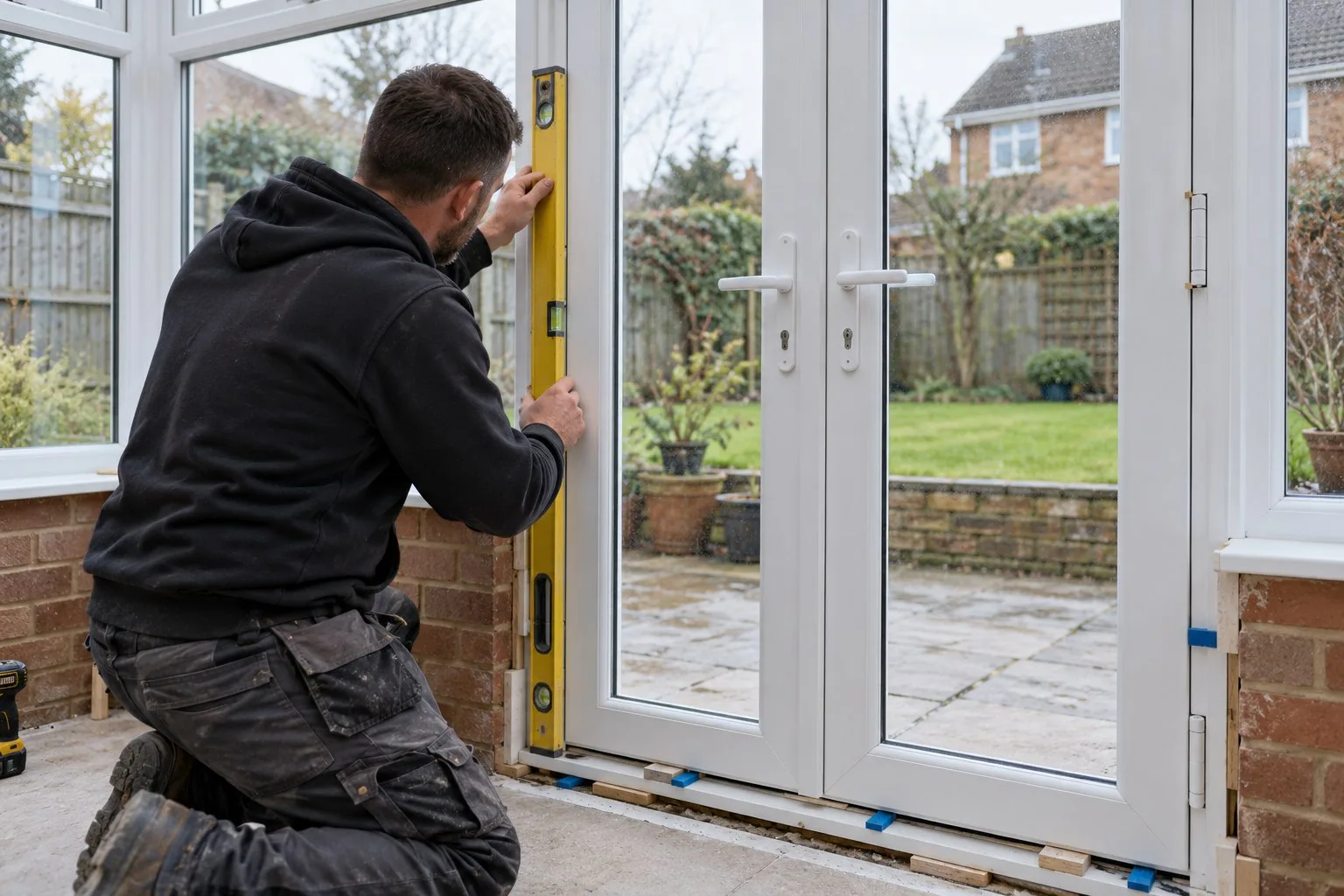
A FENSA certificate is proof of Building Regulations compliance for replacement windows or doors, including those in a conservatory. Only a FENSA registered installer can issue one. It matters most when you sell, because a buyer’s solicitor will ask for it. It also saves you applying to the council for approval yourself.
What a FENSA certificate for a conservatory is
FENSA is a competent person scheme. It monitors Building Regulations compliance for replacement windows and doors. A registered installer can then certify their own work instead of sending every job to building control. According to FENSA, the certificate shows the installation complies with Building Regulations. It is registered with your local council, and guarantee insurance backs it. You can only get one from a FENSA approved installer.
When a conservatory needs a FENSA certificate
FENSA covers replacement windows and doors. So the certificate matters most when you replace the glazing or doors in an existing conservatory. That includes the doors that separate it from the house, and French or patio doors on the garden side. A new conservatory may be exempt from Building Regulations altogether. In that case there may be nothing to certify beyond the glazing. Our guide to planning and building a conservatory explains the exemption.
A new roof is a different matter. FENSA’s own description covers windows and doors. So ask whichever installer fits a new solid roof or glass roof which certificate you will get. Ask who applies for building control approval, too. Expect a specific answer, not “we’ll sort it”.
What a registered installer does for your conservatory certificate
The installer assesses the work against Building Regulations, registers it with your local council and issues the certificate. That covers the glazing standard, safety glass where you need it, and the means of escape from rooms that open into the conservatory. You still choose the product and the specification. FENSA doesn’t guarantee the quality of the installation beyond what the guarantee insurance covers.
How to check an installer
- Search the FENSA website. It lets you search by postcode, company name or registration number. A logo on a van or a website isn’t enough.
- Ask for the certificate. FENSA advises homeowners to ask for it when the job finishes. It should arrive after the work, and you should keep it with your house papers.
- Check the guarantee. Ask what the insurance-backed guarantee covers and for how long.
If an installer isn’t registered, you have to register the work with the council yourself, usually by paying for a building control inspection.
If you have no FENSA certificate for your conservatory
Without a certificate, a buyer’s solicitor may ask for an indemnity policy or a retrospective approval from the council. Ask the original installer first, because they may be able to reissue it. Then try FENSA, which holds records for registered jobs. Our guide to choosing a conservatory installer covers the other checks worth making.
Next steps
If you want French doors or bifold doors fitted, ask every installer for their FENSA registration number. Then compare quotes on that basis. Our quote checker and compare quotes tool help you set them side by side. CERTASS runs a similar scheme, which our guide to a CERTASS certificate covers.
Get quotes for your home
A guide price only takes you so far. Local firms can price the work on your own home, and comparing a few quotes is the quickest way to see what is reasonable.
Compare free quotes